


iPhones came right up to challenge the idea that traditional cameras are the only way to get stunning photographs and video, and people love them for that. They’ve served quite well over the years.
However, since things don’t stay the same forever, iPhone cameras are no exception. With Apple’s yearly model launches, camera performance keeps improving. So, which iPhone has the best camera in 2025? The answer doesn’t lie in a single model but in several.
In this guide, we go through network research and practical use to rank the top 4 iPhone models with the best camera performance for you to choose from.
If you’re serious about getting the most out of your iPhone camera, keep reading. Let’s help you determine which model best suits your photography style and budget.
How we chose these models
To pick the best iPhones for camera performance in 2025, we focused on reliable sources and practical insights. Here’s what shaped our top picks:
- Official Apple specs. We started by reviewing Apple’s official specifications for each model — including megapixel count, sensor size, aperture, and lens features — to understand their core camera capabilities from the right source.
- User comparisons on Versus.com. We analyzed side-by-side comparisons and user ratings on Versus.com to clearly understand how these iPhones perform in everyday situations.
- Expert reviews from AmateurPhotographer.com. We used insights from amateurphotographer.com, a respected authority in mobile photography reviews, to balance technical details with real-world image quality.
Here are the top 4 iPhones with the best camera in 2025.
1. iPhone 16 Pro Max (Best overall)
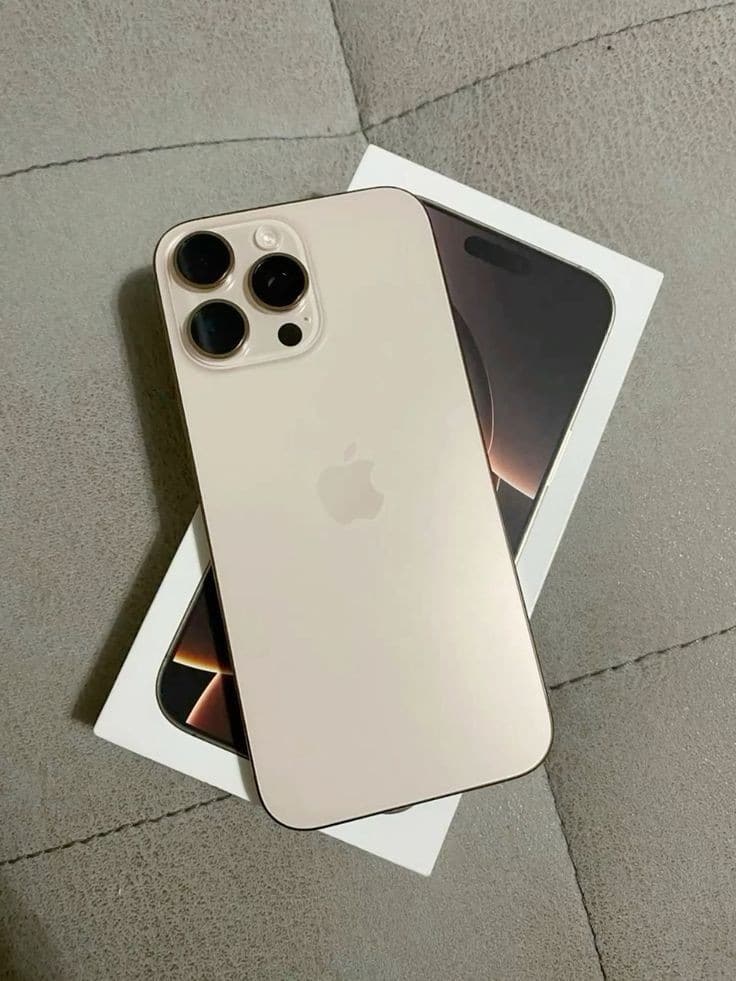
iPhone 16 Pro Max camera specifications table
| Feature | Details |
| Main Camera (Wide) | 48 MP Fusion sensor, ƒ/1.78 aperture, second-gen quad-pixel, supports ProRAW and HEIF |
| Ultra-Wide Camera | 48 MP, quad-pixel sensor, macro photography support, 120° field of view, supports 48 MP ProRAW and HEIF |
| Telephoto Camera | 12MP, 5x optical zoom, 120 mm focal length, tetraprism lens, up to 25x digital zoom |
| Zoom Range | 0.5× (13 mm) to 5× (120 mm); simulates 7 lens equivalents |
| Camera Control | Haptic-based side control for manual exposure/zoom/focus; two-stage shutter button for focus & exposure lock |
| Photographic Styles | Latest-gen styles with customizable tone, contrast, color; live previews included |
| AI Visual Intelligence | Real-time identification of landmarks, objects, and places |
| Night Mode | Available across all lenses with improved AI enhancement |
| Stabilization | Sensor‑shift OIS (Wide); Optical Image Stabilization (Telephoto and Wide) |
| Flash | True Tone Flash with Slow Sync |
| Lens Materials | Sapphire crystal lens cover; six-element lenses on Telephoto/Ultra-Wide; seven-element on Wide |
| Additional Photo Features | Deep Fusion, Smart HDR, Macro Photography, Apple ProRAW, Photographic Styles, Night Portraits (LiDAR), Portrait Mode with Depth Control, Panorama (up to 63MP), Lens Correction (Ultra-Wide), Focus Pixels (Wide), Red‑eye Correction, Auto Image Stabilization, Burst Mode, Photo Geotagging |
| Image Formats | HEIF, JPEG |
| Front Camera (TrueDepth) | 12 MP, ƒ/1.9 aperture, supports Portrait Mode, Night Mode, Deep Fusion, HDR, Apple ProRAW, Photographic Styles, Animoji & Memoji |
| Rear Video Recording | 4K at 24/25/30/60/120 fps (Dolby Vision), ProRes up to 4K 60 fps, Slo-mo 1080p at 120/240 fps, Cinematic Mode (1080p at 30 fps), Macro Video, HDR, Time-Lapse with stabilization, QuickTake, Continuous autofocus, Playback zoom |
| Audio for Video | Four directional microphones, Spatial Audio recording, Wind Noise Reduction, Audio Mix Modes (Studio, In-frame, Cinematic) |
| Video Formats | HEVC, H.264, ProRes |
| Front Camera Video | 4K at 24/25/30/60 fps, 1080p at 25/30/60 fps, HDR (Dolby Vision), Cinematic Mode, Time-Lapse, QuickTake, Stabilization, ProRes (for 128GB+), Slo-mo 1080p at 120 fps |
What these specifications mean and how they work together to create stunning photography and visuals
The first thing you should know is that there’s no difference between the iPhone 16 Pro Max camera system and its “Pro” counterpart. This camera review provides a comprehensive overview of the camera experience with the iPhone 16 Pro. The former combines three lenses — wide, ultra-wide, and telephoto — to offer flexibility in composition, ensuring high-resolution output throughout. The wide and ultra-wide lenses utilize 48MP sensors, delivering enhanced detail in both bright and low-light conditions, while the 12MP telephoto lens offers 5x optical zoom, making it ideal for capturing distant subjects. Together, they cover focal lengths from 13mm to 120mm.
Apple’s quad-pixel technology merges multiple pixels for improved sharpness and exposure balance, especially in mixed lighting. The ultra-wide sensor, now upgraded to 48MP, enhances edge-to-edge clarity and macro performance, an area where previous iPhones fell short. Even though final images often default to 12MP, switching to ProRAW unlocks the full resolution for post-editing flexibility.
The camera control button, introduced in this generation, enables quick adjustments to settings such as zoom and exposure. However, its usefulness may vary depending on your shooting style. Night mode, Deep Fusion, and Smart HDR work quietly in the background, enhancing shadow detail and preserving highlights in tricky lighting.
On the video side, 4K at 120fps allows for slow-motion without sacrificing resolution, while directional microphones and spatial audio support give footage a more professional polish. Combined, these specs support casual snapping and professional-grade content creation.
iPhone 16 Pro Max camera pros:
- Outstanding zoom flexibility.
- Strong low-light and macro performance.
- AI tools that assist without overwhelming.
- Intuitive manual control with the new Camera Control button.
iPhone 16 Pro Max camera con:
- The selfie camera is still 12MP, so it has a low selfie resolution.
Best for:
- Pro-level creative control and versatility.
Who should buy it?
Content creators, filmmakers, and photographers who need full control across different photography styles, from precise macro shots and low-light portraits to 5x optical zoom for distant subjects.
The iPhone 16 Pro Max offers simple yet outstanding enhancements that turn everyday shots into professional-looking images. This is it if you want Apple’s most recent advanced mobile camera, especially if upgrading from older models.
Pricing: $1,199.00
2. iPhone 15 Pro Max (Best previous generation option)
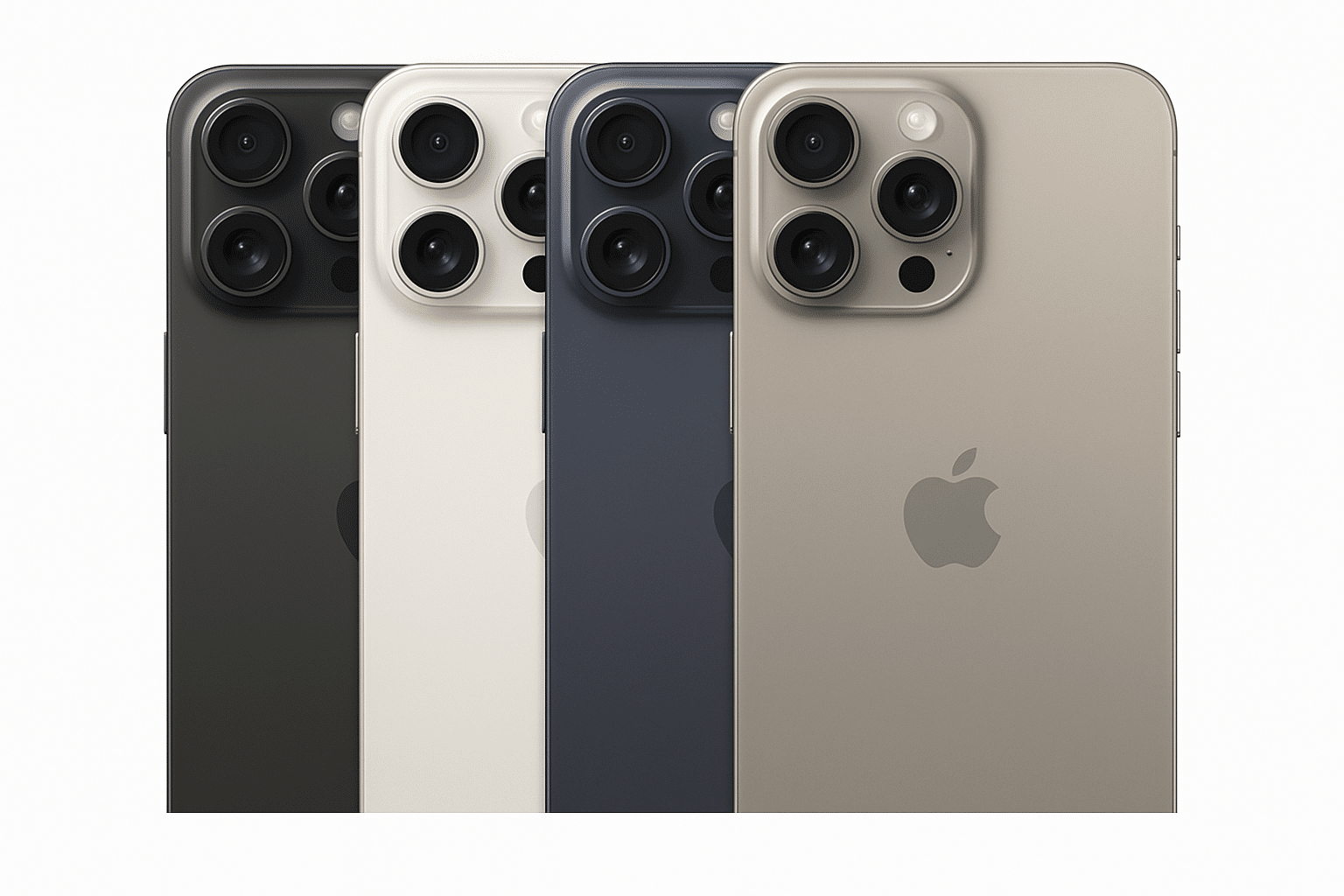
iPhone 15 Pro Max camera specifications
| Camera Component | Details |
| Main Camera | 48 MP (24/48 default), 24 mm, ƒ/1.78, 2nd-gen sensor-shift OIS, 100% Focus Pixels |
| Ultra-Wide Camera | 12 MP, 13 mm, ƒ/2.2, 120° FOV, 100% Focus Pixels |
| 2× Telephoto (Crop) | 12 MP, 48 mm, ƒ/1.78, 2nd-gen sensor-shift OIS, 100% Focus Pixels |
| 5× Telephoto Lens | 12 MP, 120 mm, ƒ/2.8, tetraprism design, 3D sensor-shift OIS + autofocus |
| Zoom Range | 0.5×→2×→5× optical; up to 25× digital zoom |
| Video Recording | 4K@24–60fps, HDR Dolby Vision, Cinematic Mode 4K@30fps, Action Mode 2.8K@60fps, ProRes 4K/60 with external recording, Log video, spatial video, macro slo-mo, timelapse |
| Stabilization | Sensor-shift OIS (main & 5×), 2nd-gen OIS on 3×; Action and cinematic stabilization |
| Audio & Extras | Audio zoom, stereo recording, wind noise reduction, 8 MP stills during video |
| TrueDepth Front Camera | 12 MP, ƒ/1.9, Focus Pixels, Smart HDR 5, Cinematic Mode, ProRes + Dolby Vision |
How do these specs work together for a strong camera experience?
The iPhone 15 Pro Max delivers variety and precision with four distinct camera options. The 48 MP primary sensor produces ultra-detailed shots, while ultra-wide handles broad scenes and macro details. A 2× crop from the main lens offers quality zoom, and the dedicated 5× telephoto reaches distant subjects with clarity and stabilization.
Together, they provide optical zoom from 0.5× to 5×, plus up to 25× digital, making it versatile for many shooting situations. For video, built-in stabilization and advanced shooting modes—like 4K ProRes, Cinematic Mode, and Action Mode—ensure your footage looks smooth and polished.
iPhone 15 Pro Max camera pros:
- A versatile optical zoom of up to 5× with high-quality stabilization is perfect for portraits and distant subjects.
- Ultra-high-resolution main sensor for crisp, detailed photography.
- It has a comprehensive video toolkit like 4K Dolby Vision, Cinematic Mode, ProRes 60, Action Mode, macro slo-mo, and timelapse.
- It covers sturdy stabilization across lenses, including the 5× telephoto.
- The availability of audio features like zoom and wind noise reduction improves video sound.
iPhone 15 Pro Max camera cons:
- All secondary lenses are limited to 12 MP and have less resolution than the primary camera.
- Digital zoom quality drops past 10×, despite reaching 25×.
- The Cinematic Mode is limited to 4K at 30fps, not 60fps.
- The ProRes for full 4K is only available with external recording gear.
Best for:
Photographers and filmmakers who need a flexible, all-in-one iPhone camera that covers wide-angle, portrait, zoom, and advanced video in one device.
Who should buy it?
- Wildlife and sports photographers who benefit from powerful optical zoom.
- Filmmakers and vloggers capturing cinematic video with ProRes and Dolby Vision.
- Travel photographers who want macro, wide, and zoom capabilities in one phone.
- Content creators seeking improved audio and stabilization for polished handheld footage.
Pricing: $799
3. iPhone 14 Pro Max (Best value flagship)
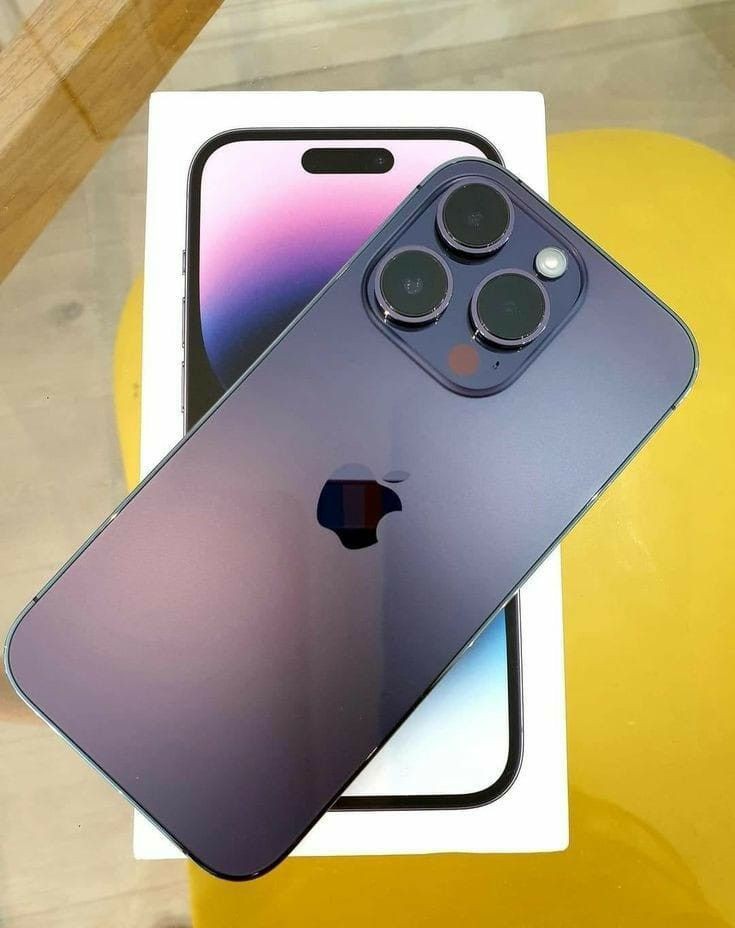
iPhone 14 Pro Max camera specification table
| Camera Type | Details |
| Main Camera | 48 MP, ƒ/1.78 aperture, 24mm equivalent, 2nd-gen sensor-shift OIS, 100% Focus Pixels |
| Ultra-Wide Camera | 12 MP, ƒ/2.2 aperture, 120° field of view, close focus for macro, lens correction |
| 2x Telephoto (Crop) | Enabled via quad-pixel sensor, 48 mm natural zoom, no loss in quality |
| 3x Telephoto Lens | 12 MP, ƒ/2.8 aperture, OIS, 77 mm focal length — ideal for portraits |
| Zoom Range | 0.5x to 3x optical zoom, up to 15x digital zoom |
| Video Capabilities | 4K at 24/25/30/60 fps, ProRes, Action Mode (2.8K 60fps), Slo‑mo, Night Mode, Time-lapse |
| Pro Features | Cinematic Mode (up to 4K HDR at 30fps), Apple ProRAW, Photographic Styles |
| Stabilization | Dual OIS (Main + Telephoto), Action Mode stabilization |
| Audio & Extras | Audio zoom, stereo recording, wind noise reduction, 8MP stills during video |
How do these specifications work together to create a great camera experience?
The iPhone 14 Pro Max isn’t just about megapixels. It features a 48MP primary camera with second-generation sensor-shift stabilization, ensuring sharper shots even in shaky or low-light conditions. Combined with 100% Focus Pixels, you get fast, accurate autofocus, which is excellent for capturing kids, pets, or anything that won’t sit still.
The 12MP ultra-wide lens handles expansive environments and tight indoor scenes with its 120° field of view. Thanks to close focusing, detailed macro photography is also enabled. Lens correction ensures your ultra-wide shots don’t suffer from unwanted distortion around the edges.
When zooming, the iPhone 14 Pro Max cleverly combines a 2x telephoto crop with a dedicated 3x telephoto lens. The result is a natural zoom range from 0.5x to 3x optical, plus up to 15x digital zoom, letting you frame shots precisely whether you’re close or far.
Video features don’t lag behind, either. The iPhone 14 Pro Max records in 4K up to 60 fps, supports ProRes for professional-grade editing, and includes Cinematic Mode for focused depth and subject tracking. Action Mode stabilizes intense motion, while Night Mode Time-lapse extends your creativity after dark.
Other touches like dual optical image stabilization, audio zoom, wind noise reduction, and the ability to snap 8MP stills while filming make iPhone 14 Pro Max a well-rounded camera package. Combined, these tools give you control, consistency, and clarity whether you’re capturing everyday moments or creating serious content.
iPhone 14 Pro Max camera pros:
- High-resolution 48MP primary camera delivers sharp, clear photos in all lighting conditions.
- The flexible zoom system with 0.5x, 1x, 2x (crop), and 3x lenses lets you shoot wide, standard, or close without quality loss.
- Excellent video tools like Cinematic Mode, Action Mode, and ProRes recording are great for content creation.
- The ultra-wide lens’s macro support makes capturing small details up close easy.
- Dual optical stabilization keeps images and videos steady, even when moving.
- Strong low-light performance, thanks to Night Mode, LiDAR, and Deep Fusion.
iPhone 14 Pro Max camera cons:
- Ultra-wide and telephoto lenses are still capped at 12MP, so they don’t capture as much detail as newer models.
- There is no long-range zoom (like 5x or 10x), which limits your reach for far-away subjects.
- ProRes video is limited to 1080p on 128GB models, not full 4K.
- Action Mode resolution maxes out at 2.8K, which may not meet all video creators’ needs.
- Digital zoom tops at 15x, behind what 2025 flagship phones offer.
Best for:
- Solid all-around lenses, especially if you don’t need extreme zoom or the latest iPhone technologies.
Who should buy it?
Perfect for:
- Lifestyle and portrait photographers who want natural-looking shots with depth.
- Vloggers and small business owners making high-quality videos on a budget.
- Casual creators looking for professional features without the size or price of newer models.
Pricing: $628.31
4. iPhone 13 Pro Max (Best mini budget option)
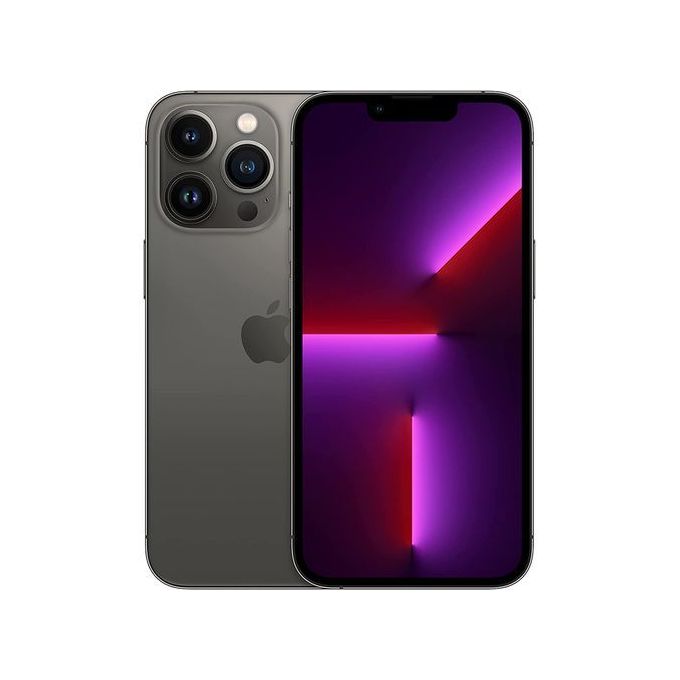
iPhone 13 camera specifications table
| Camera Type | Details |
| Triple 12MP System | |
| Telephoto Lens | ƒ/2.8 aperture, 6-element lens, 3x optical zoom |
| Wide Lens | ƒ/1.5 aperture, 7-element lens, 100% Focus Pixels, excellent in low light |
| Ultra-Wide Lens | ƒ/1.8 aperture, 6-element lens, 120° FOV, macro support with lens correction |
| Zoom Range | 0.5x to 3x optical, 15x digital, 6x total optical flexibility |
| Portrait Features | Depth Control, bokeh, six lighting effects |
| Night Mode | Supported on all lenses, LiDAR-enhanced portraits |
| Smart HDR + Fusion | Smart HDR 4 and Deep Fusion for tonal accuracy in all lighting |
| Photographic Styles | Real-time tone and warmth control |
| Apple ProRAW | RAW capture with Apple’s processing pipeline |
| Lens Protection | Sapphire crystal covers on all lenses |
| Stabilization | Sensor-shift OIS (Wide), Dual OIS (Wide + Telephoto) |
| Video Features | |
| Cinematic Mode | 1080p at 30fps, with real-time focus shifts |
| Dolby Vision HDR | Up to 4K at 60fps |
| ProRes Video | Up to 4K at 30fps (128GB model: 1080p max) |
| Macro Video | Includes slo-mo and time-lapse |
| Standard Video | 4K at 24/25/30/60fps; 1080p & 720p options |
| Slo‑mo | 1080p at 120 or 240 fps |
| QuickTake | For fast video capture |
| Stabilization | Cinematic Stabilization across all modes |
| Audio & Extras | Audio zoom, stereo sound, 8MP stills during 4K recording |
| Front Camera | 12MP, ƒ/2.2 aperture, Portrait mode, Smart HDR 4, Night Mode, 4K video |
How the iPhone 13 Pro Max camera system works together
Each iPhone 13 Pro Max lens serves a distinct purpose, but the system is designed to operate as one. The wide lens leads with fast performance, sharp detail, and strong low-light results, supported by a large aperture and sensor-shift optical image stabilization.
The ultra-wide lens expands the field of view and enables close-up macro shots without sacrificing edge clarity. Meanwhile, the telephoto lens offers 3x optical zoom, ideal for portraits and distant scenes while maintaining image stability.
Collaboratively, these lenses deliver a smooth zoom range from 0.5x to 3x optically and up to 15x digitally. This offers versatility yet consistency. The Smart HDR 4 and Deep Fusion aren’t left out on that job, as they enhance each frame by combining multiple exposures for more natural lighting and detailed textures.
For video creation, features like Cinematic Mode and ProRes elevate mobile filmmaking. You can shift focus dynamically or record in 4K with Dolby Vision HDR, and stabilization works across all modes to keep handheld footage steady.
This camera system delivers a well-rounded experience that will hold up in real-world use in 2025, a few years after its launch.
iPhone 13 Pro Max camera pros:
- Balanced triple-lens system with optical zoom flexibility from 0.5x to 3x.
- Excellent low-light performance across all lenses with Night Mode.
- Sensor-shift and dual optical stabilization deliver shake-free shots.
- Cinematic Mode and ProRes bring pro video to mobile.
- Macro photography and macro video support add creative range.
- 4K Dolby Vision HDR video with stereo audio and audio zoom.
- Protected by sapphire crystal lens covers for durability.
iPhone 13 Pro Max camera cons:
- All cameras are 12MP, but they are still solid and may feel limited compared to newer 48MP setups.
- Cinematic Mode is limited to 1080p at 30fps.
- ProRes video at 4K isn’t available on the 128GB model.
- There is no advanced zoom beyond 3x optical; digital zoom up to 15x may show quality loss.
Best for:
iPhone 13 Pro Max is best for balanced, stabilized mobile photography, especially macro shots, cinematic video work, and everyday creativity.
Who should buy it?
If you’re a casual creator who films on the go, a vlogger wanting smooth handheld footage, or someone who values consistent camera output across all lenses, the iPhone 13 Pro Max still delivers confidently in 2025.
Pricing: $463.69
Camera specification summary of iPhone 13 Pro Max to iPhone 16 Pro Max
| Feature | iPhone 13 Pro Max (2021) | iPhone 14 Pro Max (2022) | iPhone 15 Pro Max (2023) | iPhone 16 Pro Max (2024) |
| Main Camera | 12 MP, ƒ/1.5, 100% Focus Pixels | 48 MP, ƒ/1.78, 100% Focus Pixels | 48 MP, ƒ/1.78, 100% Focus Pixels, 24/48MP support | 48 MP, ƒ/1.78, 100% Focus Pixels |
| Ultra-Wide Camera | 12 MP, ƒ/1.8, 120° FoV, macro | 12 MP, ƒ/2.2, 120° FoV, macro | 12 MP, ƒ/2.2, 120° FoV, macro | 12 MP, ƒ/2.2, 120° FoV, macro |
| 2x Telephoto | — | Enabled by the primary sensor crop (48 mm) | Enabled by the primary sensor crop (48 mm) | Enabled by the main sensor crop (48 mm) |
| Telephoto Zoom Lens | 3x (77 mm), ƒ/2.8, OIS | 3x (77 mm), ƒ/2.8, OIS | 5x (120 mm), ƒ/2.8, 3D sensor-shift OIS | 5x (120 mm), ƒ/2.8, 3D sensor-shift OIS |
| Optical Zoom Range | 0.5x – 3x | 0.5x – 3x | 0.5x – 5x (10x total optical zoom range) | 0.5x – 5x (10x total optical zoom range) |
| Digital Zoom | Up to 15x | Up to 15x | Up to 25x | Up to 25x |
| Night Mode | All lenses | All lenses + LiDAR Night Portraits | All lenses + LiDAR Night Portraits | All lenses + LiDAR Night Portraits |
| Cinematic Mode | 1080p @ 30fps | 4K HDR @ 30fps | 4K HDR @ 30fps | 4K HDR @ 30fps |
| Action Mode | — | 2.8K @ 60fps | 2.8K @ 60fps | 2.8K @ 60fps |
| Apple ProRAW | ✅ Available | ✅ Available | ✅ Available | ✅ Available |
| ProRes Video | 4K @ 30fps (1080p on 128GB) | 4K @ 30fps (1080p on 128GB) | 4K @ 60fps with external recording | 4K @ 60fps with external recording |
| Smart HDR | Smart HDR 4 | Smart HDR 4 | Smart HDR 5 | Smart HDR 5 |
| Macro Photography | ✅ YES | ✅ YES | ✅ YES | ✅YES |
| Video Stabilization | Sensor-shift (Wide) + Dual OIS | Dual OIS (Main + Telephoto) + Action Mode | Second-gen sensor-shift OIS (Main), 3D OIS (5x) | Same as 15 Pro Max |
| Front Camera | 12 MP, ƒ/2.2 | 12 MP, ƒ/1.9 | 12 MP, ƒ/1.9 | 12 MP, ƒ/1.9 |
| Standout Firsts | Introduced Cinematic Mode + ProRes | 48MP Main + 2x Telephoto crop | 5x zoom, A17 Pro chip, spatial video | Photonic Engine 2, Apple Intelligence preview |
Factors to consider before buying these iPhone models
Before you actually purchase any of these iPhone models, make sure you have thought of and answered these questions clearly:
What kind of photos do I take the most?
- Are you into night photography, portraits, ultrawide scenics, or detailed zoom shots? Different iPhones excel in different areas; set and know your priorities.
Would I have enough storage for the picture counts I’d rack up?
- High-quality photos and 4K videos eat up space fast. If you shoot often, avoid base models with low storage or prepare to pay for iCloud. Personally, I think the second option always wins because who doesn’t run out of iPhone storage?
Do I need Pro features or just good photos?
- Not everyone needs ProRAW, LiDAR, or Cinematic Mode. If you just want clean, vibrant photos without editing them, a non-Pro model might serve you better. But since you’re already reading this, it’s enough to know that you need the Pro features, so just go with one that offers more to your liking.
How is battery life under camera use?
- Shooting videos or using the camera heavily can drain the battery quickly. Though long-lasting battery life isn’t often associated with iPhones, some models handle this better than others, especially the Pro Max versions. Each of the four brands has different battery capabilities; choose the most beneficial to you.
How’s my budget vs. camera gains?
- The newest iPhone might have the best camera, but asking yourself if the upgrades are important enough to justify the extra cost over the previous year’s model settles that mental dispute on cost faster than you’d imagine.
Wrapping up,
So, there’s no single “best” iPhone camera for everyone, just the one that fits you best.
The iPhone 16 Pro Max leads this list, but it’s not the only smart choice. From the 13 Pro Max to the 15 Pro Max, each model delivers strong camera performance for different needs and budgets, as the specifications above show.
Now that you’ve read through them, the next logical step to arriving at an informed purchase is determining what you’d shoot, how often, and which features actually improve your workflow. Once you’ve considered these, you’re one step closer to getting the iPhone camera experience you deserve.
With that thought in mind, which iPhone will you be going for among the four?


